A negative brand experience with Malaysia Airlines can be a lesson for all brands


Although this post is almost inevitably a branding lesson for Malaysia Airlines, it’s also a branding lesson for any company that doesn’t appreciate the importance of retaining customers.

At the risk of stating the obvious, customers are key to a brand’s success. After all, you can’t build a brand without customers although there are probably some advertising agencies that would dispute that.

Retention not aquisition should be at the heart of any Malaysia Airlines restructuring

Loyal customers are generally the most profitable of all. And as I wrote in my book, if you have enough loyal customers and look after them, you don’t need to spend the equivalent of the GDP of a small Scandinavian country on advertising to keep selling to new people.

Just think about it. If every customer you ever had came back over and over again and never left you, it would hardly matter how slowly the numbers built up. Fast or slow, your business would grow.

If every new customer became a convert for life, most of the risks would be taken out of running your business. Simply put, you’d be able to plan your sales and production, predict your cash flow, know when to open and when to close, recruit the right people at the right time and know exactly when to commit yourself to a new factory or, in the case of an airline, new aircraft.

Branding means looking after your customers. If you do, why would they leave?

In a situation like that, the only way is up. Unfortunately, though, it’s not going to happen. Customers don’t just come. Repeat business and customer retention rates are never going to be anywhere near 100 per cent in practice. Customers will leave too. But the absolute key to building a brand is getting more of them to stay.

And the reason why is because once they’ve become a customer presuming the experience from their perspective was a success, they are likely to come back again. According to one report, once a customer buys something, there’s a 70% chance of him coming back. And, once he’s back, he’s likely to stay.

repeat-customers-are-more-likely-to-convert

So how do you get more customers to stay? Obviously, by offering something that’s more attractive than the offer your competitors put up against it. Actually it’s easier than that because quite often a loyal customer will be oblivious to what the competition as to offer anyway.

But that’s not as easy today as it was 20 or even 10 years ago. There are companies out there who can manufacture what you manufacture more cheaply. There are companies out there who can get the same product as you to the market more quickly and in smaller or larger quantities than you.

Unless you are very lucky, there’s only really one advantage that you have over your competitors and that is your company’s relationship with your customers. That relationship, managed properly can never be duplicated.

And good relationships are the key to repeat business. Once Malaysia Airlines returns to profitability, and take it from me that it will do and ahead of target it will then need to start rebuilding it’s brand.
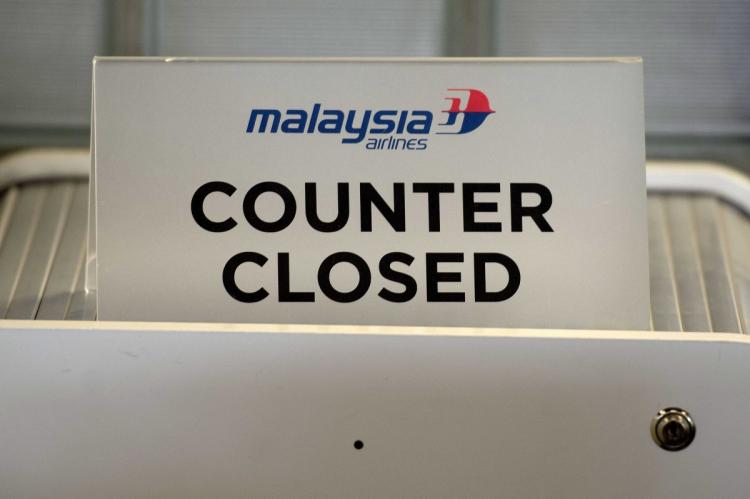
Customer experiences must be improved at Malaysia Airlines

And if it really wants to rebuild its brand, and continue to make a profit once it starts to increase prices, which it will have to do, it must start to place relationships with existing and especially loyal customers at the heart of its turnaround strategy.

Malaysia Airlines must be prepared to invest in getting to know its customers by collecting the right data about them, developing relationships with them and then leveraging those relationships to generate higher sales and the referrals that will bring in more customers.

Malaysia Airlines must understand that building businesses today requires a relational, rather than a transactional, approach to doing business. This will be an almost 180 degree change in direction from the way it is managed at the moment.

The customer who is attracted to the airline because of a discounted fare but has no relationship with it will walk away the moment he sees the same thing cheaper somewhere else.

But customers who feel they are getting something out of the relationship, beyond the individual transaction, will stick around.

That ‘something’ the customer gains will depend on its ability to deliver emotional, economic and experiential value to every customer. And this is going to be hard because a lot of customers have now experienced the competition.

Branding isn't transactional, it's relational
Branding isn’t transactional, it’s relational

This is where branding gets complicated because it requires C level executives and senior management to refocus and move away from the ingrained, traditional ways of running a business. And for Malaysia Airlines it will mean tearing up the very strategy that got it back to profitability.

Most difficult of all, it means they have to give more responsibility to front line staff, many of whom they frankly don’t trust to do the right thing.

And much of that lack of trust is based on the fact that those management and C level executives see staff as a cost not an investment.

Even after the massive cull that has seen more than 6,000 workers retrenched, the carrier is staffed with people who simply don’t have the skills to represent the brand at this critical time.

But it’s also because whilst the ‘turnaround’ focus has been on slashing costs, the organization still suffers from a traditional, top down approach to managing the business.

A case in point is yet another depressingly familiar experience with Malaysia Airlines. As I’ve said many times before, I fly fifty times a year domestically with Malaysia Airlines and anything from two to ten times internationally. I’m not a major customer but I am a loyal one and continued to fly with them through the dark days of 2014.

If you are a regular reader of this blog, you will know how loyal I’ve been to Malaysia Airlines. You’ll know how I flew repeatedly following those 2 tragic events of 2014 and despite the fear and the mess the management and government made of engaging with the global media, family of those lost in the disasters and other stakeholders, I kept flying.

I don't expect to be treated like a VIP but I expect to be appreciated otherwise I'll take my business elsewhere
I don’t expect to be treated like a VIP but I expect to be appreciated otherwise I’ll take my business elsewhere

But like just about every other consumer, my loyalty shouldn’t be taken for granted. And if the quality of the product provided deteriorates and there is no attempt to reach out to me in a human way during that process, then it’s only logical that I’ll start to look for other suppliers. If those other suppliers deliver value to me, why would I go back?

Malaysia Airlines never reached out to me despite my loyalty. I wasn’t looking for much, perhaps an unexpected upgrade here, an invitation to use a lounge when travelling economy or perhaps some bonus miles as a gesture of appreciation.

Sure there were times when I picked up a few bargains during travel fairs but they weren’t personal and required me to invest hours of my time sitting in front of my computer waiting for the page to load.

Since 2014, the brand continued on its downward spiral to ignominy thanks to a ‘transformation plan’ that resembled the cast of a disaster movie as they stripped everything out of a plane in a desperate attempt to keep it in the air.

The quality of the product, the aircraft, the offering, the service, the ability of the brand to deliver value to me and on my terms degenerated to such an extent that I’ve finally started to cut the umbilical chord and over the last 12 months, I’ve booked me and/or my family on British Airways, Emirates, Singapore Airlines, Silk Air, Air Asia and most recently, Malindo.

All of the bookings are on routes served by Malaysia Airlines and only one of them because Malaysia Airlines was full on that sector.

Last week I was flying Malindo on a domestic sector that I always fly Malaysia Airlines. My Malindo experience wasn’t perfect (For the first time ever, my flight departure time was brought FORWARD which could have caused havoc with my work schedule) but my expectations weren’t high anyway.

Although I wasn’t even travelling on Malaysia Airlines, I still managed to have a negative experience with the carrier.

Let me explain. When I got to KLIA I thought I’d try to use the Malaysia Airlines business class lounge. After all I was flying business class and besides, I’m a gold member of their frequent flyer programme (FFP) and have been as long as they’ve had one.

In case you are unaware, the top two tiers of the Malaysia Airlines FFP are Platinum and Gold. To be a Platinum member you need 100,000 Elite Miles or 130 Elite Sectors.

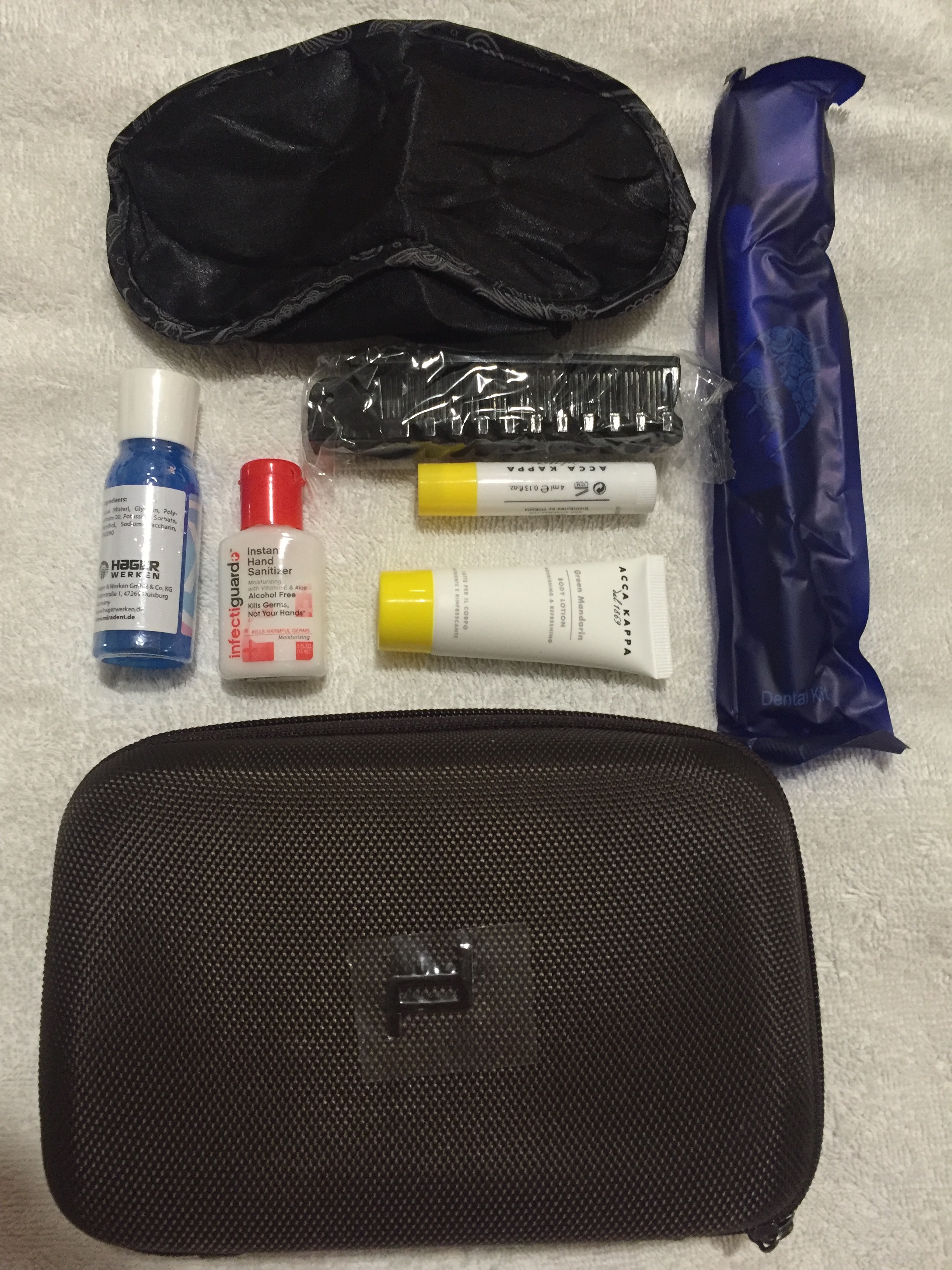
A tale of two toiletry bags. Emirates offers a brand experience
Malaysia Airlines does what it has to do

To qualify for a Gold card which is what I have, you need 50,000 Elite Miles or 50 Elite Sectors. If I’m not mistaken, you get 2 elite sectors for each business class flight and one for each economy class flight. This means I’ve travelled at least 25 times in business or 50 times in economy.

My most common route is KL to Kuching so let’s say for the sake of argument that all of those sectors were KL to Kuching. The fare to Kuching is about RM1,000 for business class so at a minimum I’ve spent RM25,000 to get those 50 elite sectors. Not a lot but if you add it to the other fares it starts to add up. To become a Platinum member I’d need to spend about RM65,000.

When I got to the Malaysia Airlines lounge I asked if I could get a cup of coffee. Long story short, the receptionist said I couldn’t and nor could a Platinum member however, and here’s the kicker, anyone can access the lounge for RM200 (US$50).

As you can imagine, this wound me up. Royally. I support a brand through the most difficult period of its history and encourage others to do so but I can’t get a cup of coffee in the lounge.

However, someone who has never flown the airline before and may never do so, can drop RM200 at the door and sit in the lounge as long as he likes.

That simply doesn’t make branding sense. Whilst the motivation for doing this is obvious, isn’t it a bit shortsighted? It was the last straw and I wrote this in my business class seat on an Emirates flight to London.

Sitting next to me was my wife and in economy were two of our kids. We spent about RM30,000 (US$7,500) on this trip but would have spent it on Malaysia Airlines. During the trip to London we met up with a group of about 20 Malaysian all of whom, bar two had flown in on Emirates.

Now I’ve flown the ‘world’s best airline’ it’s going to pretty hard for Malaysia Airlines to win back my business. Even my wife who travels more than I do and is a true patriot and blindly loyal to Malaysia Airlines admits it’s going to be tough to go back.

You could argue that not allowing me to use the lounge for 10 minutes has cost the airline perhaps RM250,000 a year from my family. Every year for the next say 10 years. That’s RM2,500,000 of lost revenue.

Of the group we met, 2 travelled first class on Emirates, 10 travelled business class and the rest economy. How much has that cost Malaysia Airlines? And it doesn’t take into account anyone who reads this or listens to my rants offline. Was it worth losing all that business over RM200? Of course not.

So what should Malaysia Airlines have done?

When the latest turnaround plan was developed, instead of the Chairman announcing there was no need to rebrand, there should have been a strong commitment to the brand.

The Chairman doesn’t understand what constitutes a brand and what is required to build a brand. He probably assumed a rebrand was a new name or logo or positioning statement implemented with a global advertising campaign pushed out across all media for as long as the budget would allow.
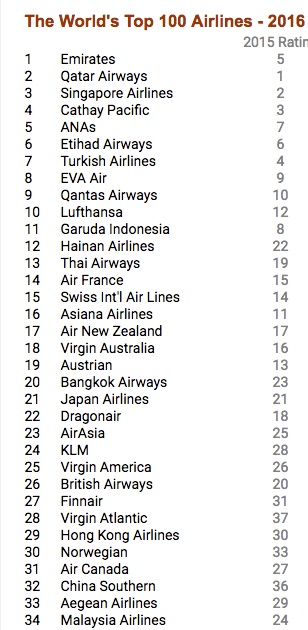
Whilst Malaysia Airlines is restructuring it's brand is being sacrificed
Whilst Malaysia Airlines is restructuring it’s brand is being sacrificed

Someone on the restructuring task force should have been able to educate the rest of the team on what constitutes a brand and its importance during the turnaround process. As mentioned already, emphasis should have been placed on delivering value to customers and not simply slashing costs.

More responsibility should have been given to those staff on the front line who were interfacing with the few customers still travelling on the airline.

The FFP should have been revamped immediately with personalized communications, ongoing engagement through unique dialogues to build an ecosystem of supporters willing to discuss the brand positively.

A concerted effort should have been placed on creating positivity about the airline. A transparent approach to building a new narrative, openness and humility should have been the foundation for any communications, not poorly thought out advertising campaigns.

Instead, with no one guiding the brand, much of the narrative around Malaysia Airlines has been negative, related to the 6,000 plus personnel that have been laid off and the replacement of modern aircraft with old, worn out planes.

Pictures appeared online of masking tape used to fix breaks in the business class cabins of old 737s on routes that had normally been served by much newer aircraft.

Unlikely to inspire confidence in the Malaysia Airlines brand

IMG_4538

Discussions and complaints raged about the lack of alcohol on flights of less than 3 hours and then the departure of the CEO after only a year or so of a 3 year contract generated more negativity. More recently, the new CEO made headlines for his comments about charges at terminals one and two.

Non stop negativity surrounding Malaysia Airlines is destroying the brand

Now I expect a lot of people reading this will say I’m being petty and besides, the airline is right. They need to have rules in place and if the front line staff were given freedom to make such decisions, it would be open to abuse.

Others will say that few airlines will let travellers into a lounge if they are not flying with the airline and they are probably right although many of them would let a frequent flyer use the lounge. Bbut that’s not the point because unlike the Malaysia Airlines brand, the majority of these airlines don’t have a broken brand.

But most importantly of all, branding today is about small steps, it’s about the small things that matter to customers. There is no more ‘big idea’ or other traditional mass media solution that speaks to everyone in the same way.

If you want to restore a broken brand you need to focus on many, many little things to make sure the brand get’s fixed quickly. Move the narrative away from negativity to positivity, from mass communictions to personalized collaboration.

Emirates is a classic example of an airline that understands branding. It spends a phenomenal amount of money building its brand. Not just through communications but in the experience and relationships.

I flew from London to Kuala Lumpur via Dubai and both sectors were full, despite the fact that a week before an Emirates 777 had been involved in a crash in Dubai.

Despite suggestions of a deeper issue at DXB, Emirates investments in its brand meant it had plenty of equity in the bank. Crucially, this meant there was little negative news to write about the carrier following the crash.

The event and the fall out was managed effectively and efficiently. Fortunately other than one brave fireman, there were no fatalities and the international media had little interest in building a story around the crash.

That’s one of the many benefits of real branding. The equity you have comes in handy when you need it. A week after the crash, it’s business as usual at Emirates.

Compare that to Malaysia Airlines, two years after the twin tragedies. It’s still struggling and continues to slash prices and the quality of the product.

Malaysia Airlines will return to profitability thanks to labour cuts, more old aircraft, new supplier deals and low oil prices. But unless it learns some harsh branding lessons and starts to invest in its brand, it is unlikely to stay profitable for very long and will struggle when it begins to increase fares.
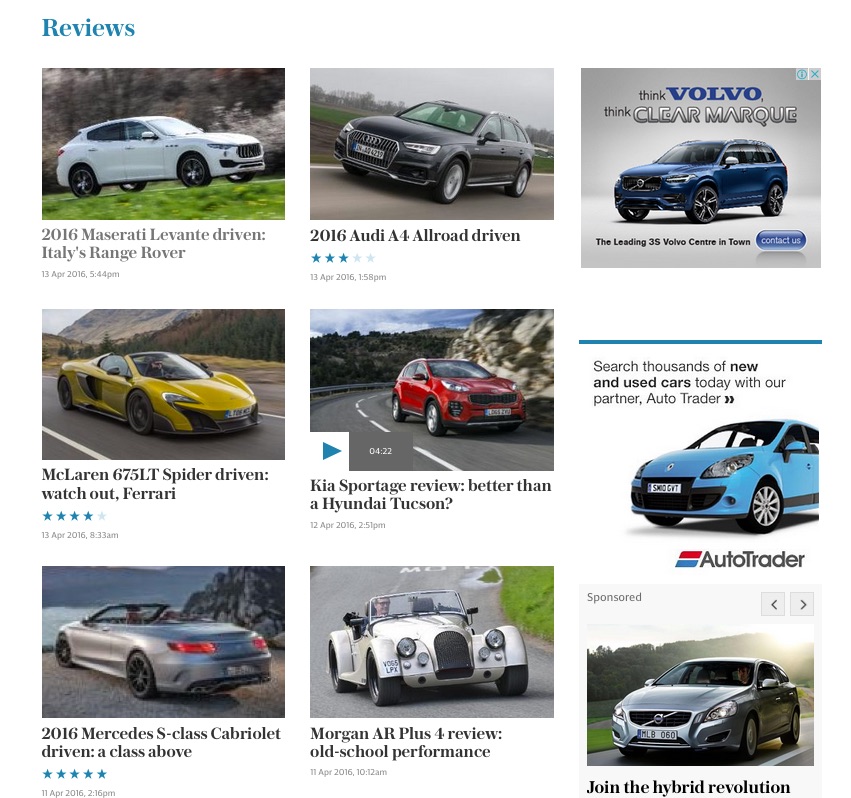
Volvo needs to quickly join up its branding dots


Back in February 2016, Volvo VP of global marketing Thomas Andersson talked to marketing week about the new global vision for Volvo after the launch of their rather cliche ridden yet compelling emotive ad questioning the motivations of automotive manufacturers around the world.

You can read the full interview here. To be honest, I found it a bit confusing. Andersson says, “We want to have a strong social message as if we just went down the same old route as our rivals [with celebrity campaigns] we would just be one of many, we wouldn’t be adding anything new. I believe the public want brands to stand for something important.”

The interview ends with a reference to the brand’s association with Avicii. I don’t know what this is exactly but do associations with DJ’s communicate importance?

Another comment that got my attention was ““Social plays such an important role when it comes to early adopters. They want to engage with Volvo but if we don’t respond quickly they will lose interest and move on. There’s a huge opportunity for us to engage more quickly and be there when people want to talk to us, and these changes enable that to happen.”

Yet the above video was deemed ‘unlisted’ on Youtube and carried a warning to “Be considerate and think twice before sharing.” I’ve never seen that before and seems to go against the very point of posting a video on Youtube. Unsurprisingly then, the video has only been viewed 1,771 times. I was surprised though to see that there was no attempt by Volvo to respond to the three comments.

Not long after I came across this digital ad from Volvo here in Malaysia. I couldn’t make sense of the ad, can you?

What is the point of this ad?

The Volvo brand has been tinkered with too often and it’s good to see them getting back to their safety roots. I think there is mileage in this approach. But they need to join up the global dots quickly. Local implementation is good but it still needs to be monitored and linked back to the global strategy.

Can Yuna save Malaysia?


More than 4 years ago the Malaysian Prime Minister Najib Razak set up a department tasked with building the Malaysia nation brand. We had a number of meetings with the head of the new department but her understanding of what constitutes a nation brand was very different to ours and so we didn’t get involved.

But we gave her plenty of ideas, one of which was that the Malaysian entertainer Yuna should be the face of any Malaysia nation branding initiative. I even wrote about it on my blog here.

Yuna never became the face of the Malaysian nation brand but she did feature in some Malaysia Airlines marketing campaigns but they didn’t really understand how to get the best out of such a potential game changer.

During those 4 years, Yuna’s career has continued to blossom and recently she became the first Malaysian to feature in Billboard’s Top 10 R&B Albums and Billboard’s Top 20 R&B/Hip-Hop Albums charts. The best selling single on that album was Crush, a collaboration with Usher.

With such success comes confidence and in an interview with Elle magazine Malaysia, Yuna ripped into the haters in Malaysia who weren’t happy with her for hugging Usher.

I heard recently that the special department was being disbanded which is a waste because the Malaysia nation brand needs some help. Used properly, I still think this impressive young artist can rescue a once iconic nation brand.

The Rolls Royce Dawn. The ultimate branding challenge or a testament to the power of branding?


The Rolls Royce Dawn has reached Malaysia. This beast of a motor from the most prestigious of prestigious brands is 5.3 metres long and weighs a tonne.

Actually it weighs 2.56 tonnes but who cares because it still glides effortlessly and silently from 0 – 62 mph (that’s 99kph in real money) in less than five seconds and it’ll keep going to 155 mph before the limiter kicks in.

The Rolls Royce dawn - phew!
The Rolls Royce dawn – phew!

According to Rolls Royce, the car is “a couple of decibels” quieter than a Wraith, which is itself rather quiet. Inside it looks like the lounge of a gentlemen’s club with plenty of leather, wood and no doubt a crystal decanter containing a pukka single malt somewhere.

At the launch this week Michael Ong group executive director of Quill group and the MD of Rolls Royce motors Kuala Lumpur waxed lyrical about how the new generation of Rolls Royce buyers are much younger and the Dawn soft top is popular with the sub 45 segment.

He wouldn’t disclose how many Rolls Royce’ were sold to that segment in Malaysia last year or indeed how many were sold in total. However he did disclose the Dawn will cost RM4 million which at today’s exchange rate equates to about £758,000.

You won't want to give this to the Changkat valet guys!
You won’t want to give this to the Changkat valet guys!

The car is on sale in the UK for between £250,000 – £300,000 or about RM1,320,000 – RM1,600,000. The disparity in cost creates the ultimate branding challenge. I mean who in their right mind would spend 2.5 times what a car should cost? Who in their right mind would drive such a car on Malaysia’s notorious roads?

Selling enough of these cars to justify its existence in the small Malaysian market is the ultimate branding challenge and yet perhaps it isn’t. Quill group will know exactly who to target. They will have a database of names to contact and invite for a discreet viewing and test drive. In fact they probably already have which explains Mr Ong’s quiet confidence.

They’ve probably already delivered some to those who pre ordered one in the hope that they are the first to own one in Malaysia. Quill will be having discreet parties, unique events and arranging trips to the Rolls Royce factory and to the artisan factories of those who contribute to the production of this beauty.

In many ways, it’s not only the ultimate branding challenge, it’s the ultimate testament to the power of brands. How many brands are doing this? How many brands have built relationships in the way Quill must have done to ensure it can sell a product that’s three times as expensive here than it is in the UK?

But that’s how you build a brand. Not through sales but through relationships. Are you investing in your relationships? If you are, then you could one day charge 3 times what a product is worth.

The spat between AirAsia and Malaysia Airports is damaging both brands and the Malaysia Nation brand


Tan Sri Tony Fernandes, the charismatic founder of Air Asia acknowledged this week that despite threats to do so, he has no right to change the name of Malaysia’s low cost terminal from klia2 to LCCT2.

Tan Sri Tony Fernandes. Charismatic but controversial and ill informed

This U turn is a relief to many because his spat with Malaysian airport operator Malaysia Airports over the naming of the second terminal at the country’s main gateway was becoming increasingly petulant and was yet another controversy Malaysia’s damaged brand could do without.

Nevertheless, the outspoken entrepreneur hasn’t given up on the project and is scheduled to meet the Malaysian Minister of Transport today, June 29th.

Tan Sri Tony was quoted recently as saying, “I’m doing a marketing campaign and the minister knows that. There is nothing wrong with it.”

He added, rather confusingly “It’s freedom of speech. I’m allowed to do any advertising I want. Why are we always bullied? We are trying to do business here, to create jobs, to attract tourists.”

“Penalties, fines, that’s old fashion (sic). Aren’t we (AirAsia and Malaysia Airports Holdings Berhad) doing the same business together? Isn’t this good for Malaysia?”

“If anyone can tell me this is bad for the country, then I’ll stop,” Fernandes said, adding: “Let us work together to build something in this economic season.”

Well Tan Sri, what you are doing IS bad for the country and it’s bad for you and your airline as well. In addition to having a negative impact on the nation brand, these very public spats between an airline and an airport operator do not inspire confidence in either organisation.

Malaysia's transport minister
Malaysia’s transport minister

Furthermore, and I apologise in advance for being so candid but your rants are confusing, misinformed and contradictory. Promoting the nation’s second airport terminal as LCCT2 isn’t marketing, it’s illogical.

And confusing naming with a marketing campaign whilst suggesting you are a victim might gain you some sympathetic traction somewhere but it only detracts the reader from your stated aims.

Southwest Airlines, the largest and most successful low cost carrier and one I’m sure you are familiar with hasn’t tried to rename any of the terminals it has successful flown out of since 1971.

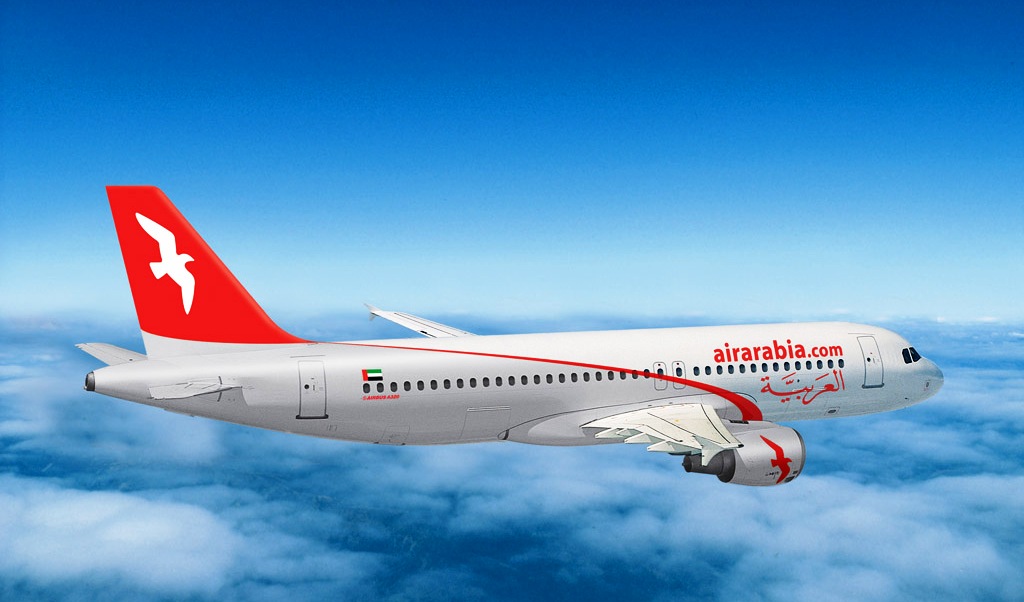
Newer low cost carriers such as AirArabia in the Middle East and IndiGo in India as well as the more established Jetstar in Australia and Gol in South America don’t fly in and out of terminals called LCCT, they fly in and out of terminals named terminal 1 or 2 or main terminal.

Other low cost carriers such as Air Arabia haven't tried to change airport names to LCCT2
Other low cost carriers such as Air Arabia haven’t tried to change airport names to LCCT2

It’s also a bit naïve to suggest that changing the name of terminal 2 to LCCT2 would ‘reinforce Kuala Lumpur’s position as the leading low cost gateway to Asia and beyond’.

Firstly, the concept of positioning is outdated and irrelevant in today’s social media world where consumers are more knowledgeable and no longer need to rely on the word of the corporation. But even if it was relevant, who are you positioning it to?

AirAsia is responsible for something like 90% of the passengers at Malaysia’s second terminal. If you haven’t already sold your passengers an onward flight, do you think the name of the terminal is going to make any difference? No matter how much you spend on positioning the terminal, it won’t make a difference.

Secondly, where is LCCT1? Just because you know it doesn’t exist, doesn’t mean a young Beijing based Chinese travel writer travelling to SE Asia for the first time doesn’t know. But if he’s confused, he’ll write about it and I guarantee that’ll have more impact than any positioning campaign.

Thirdly, is it really possible to ‘reinforce Kuala Lumpur’s position as the leading low cost gateway to Asia and beyond?’ Irrespective of the fact that nobody else is trying to position Kuala Lumpur as anything or the fact that positioning doesn’t make sense, who is going to drive this? Have you got buy in from other stakeholders? And who is going to fund it? And how?

And what about the future? Which other airlines are going to use the LCC terminal? Already Malindo has moved to the main terminal. Do airlines really want to be associated with a LCCT? Especially when the experience of using the second terminal is not one passengers are enamoured with.

There is definately a need for consistency in the naming of the terminals at KLIA. It is logical to name the terminals one and two. Preferably KLIAT1 and KLIAT2.

And the next one can be called KLIAT3 and so on, just like Changi, Heathrow, Los Angeles, Sydney and just about every other easy to use and successful airport in the world that has chosen logic and the user experience over everything else when naming their airports and terminals.

Once the naming has been addressed logically and in line with global best practices, we can move onto the marketing of Kuala Lumpur and the airport and the freedom of speech and all the other stuff TS Tony mentioned. But only then.

Is this another Malaysia Airlines branding fail?


Back in August 2014, as part of its ill conceived attempt to move on from the twin tragedies of earlier in the year, Malaysia Airlines launched a contest called “My Ultimate Bucket List” which Time magazine said was not such a good idea because a bucket list is made up of the things one wants to see or accomplish before dying.

Following the wave of criticism, the airline quickly apologized and the campaign was withdrawn but not before social medial let rip, with one Twitter user asking, “This is a sick, sick joke right? Marketing/PR needs to be fired.”

The focus at Malaysia Airlines has been an ambitious restructuring plan led by outgoing CEO Christoph Mueller who has cut unprofitable routes or offloaded them to competitors, slashed thousands of jobs, and brought in new management.

Is this the right image for Malaysia Airlines to use in its latest campaign?

But throughout this process, the carrier has developed a reputation for poorly conceived communications. Last Saturday I was flying out of Kuching International Airport and saw this strange image above the entrance.

Maybe it’s me but my first thought was that the woman looked like an angel. Doesn’t her hat look like a halo? My next thought was of MH370 and the tagline although totally innocent suggested an announcement was imminent.

And if it isn’t an angel, what is she supposed to be? A butterfly? And what’s the campaign about? Is the world waiting for her? Will she ever arrive?

Whatever it is, I couldn’t help but think this was the beginning of another bucket list fiasco. Or am I over thinking it? Tell me what you think!

The Future of Branding is Debranding. Well maybe, but first you need to know what is branding


Here’s a link to an interesting article in the fast company owned site fastcodesign.com magazine, an online design driven website that is “inspiring stories about innovation and business, seen through the lens of design.” They recently ran a story cleverly titled The Future of Branding is Debranding.

I’m an occassional visitor to the site and particularly like their infographic of the day. Have a look at this one that depicts climate change as a haunting death spiral.

The article starts well enough with the fact that digital media is blunting the effects of advertising but then goes on to say that native advertising or branded content is a sham and nothing more than an attempt to trick customers into spending money. While getting customers to spend money is the aim of most advertising (as is quality design) it misses the point of what is branding.

The future of branding is debranding? Well maybe, but not if we're starting from the wrong place
The future of branding is debranding? Well maybe, but not if we’re starting from the wrong place

The article does make some valid points about branded content and how it is not a strategic exercise or a long game. And this is true, it’s simply a tactic employed by brands. But it loses it’s way as it confuses tactics with strategy. Branding is a strategic exercise, most branded content is a tactic although some firms such as Coca Cola do it properly (see video below) and integrate it across channels and make it strategic.

The post then goes on to make the bold but ultimately wrong statement that, “Branding is, fundamentally, just a form of communication.” This is simply not true and I’m surprised such an auspicious publication allows such a claim to be made.

Indeed, it’s claims like this, from prestigious sources that are muddying the branding waters. How can CEOs make the investments required in branding if they are confused by what constitutes branding in the first place?

To make matters worse, it then goes on to say that debranding shouldn’t be confused with visual branding! Using a couple of niche brands as examples it says, “Such visual identities could be the result of debranding, but they are not the end goal. The real goal is a well-made product.”

I don’t understand the visual bit, but a well a well made product is definately a goal and any brand should start with something that is fit for purpose because no amount of communications will make a crap product good and certainly won’t build a brand.

But what’s really important is that the brand delivers economic, experiential and emotional value every time, and at every touchpoint and with everyone.

The mistake too many brands make when they start branding (or the advice they are given is wrong) is that they think branding is based on acquisition – it isn’t and they think that stringing together a series of tactical campaigns will build a brand – it won’t.

Products or services need to be sold. Companies need to make those sales but the ability to start delivering value at the first and subsequent touch points is going to lay the foundations for the success, or not of that brand’s relationship with the prospect/customer. And that relationship is what builds the brand.

Advertising, branded content, design etc may be required at some point (although increasingly consumers are not influenced by such superficialities and look for more personalisation and relevance) but critical is the ability of the brand to deliver the value I keep mentioning.

The article finishes with the statement, “Don’t throw a new product on the market if it’s not intrinsically better and more durable than what already exists. We don’t need more branding; we need fewer, better-quality products. Fine-tune your product’s quality, design, and its durability. Become a producer of shoes again instead of surrogate spirituality”

Whilst Chinese products may have had short term success because they were cheap, most consumers are moving back to quality products from more established manufacturers who have invested in tools to improve their efficiencies, making consumers the winners as products are better.

So we’re definately moving away from ‘cheap as chips’ junk. But at the same time, with a growing global population with more disposable income, there will always be demand for commodities but again they shouldn’t be confused with brands.

And besides, despite the advertising, the branded content and all the other tactics used to try and entice you, you don’t need to change what you are already happy with.

And bearing in mind that 80% of what most of us buy are the same things, one could argue that a lot of brands are already doing the right thing.

How to spot a shit brand consultant


A friend sent me a great link to a Mark Ritson rant in marketingweek yesterday. Mark Ritson is something of a God for many in the marketing business and sells himself really well. And so he should as he’s won more medals than Michael Phelps.

In the rant which you can read here, he recalled a recent evening in London where a friend told him how he had been ripped off by a brand consultant. Ritson doesn’t share how the friend was ripped off but goes on to outline a seven point system for identifying ‘shit’ brand consultants so you can avoid them like the plague.

Mark Ritson - more gongs than just about everyone
Mark Ritson – more gongs than just about everyone

The list goes something like this:

1) If the consultant mentions millennials, run a mile.
2) If the consultant offers advice without qualitative or quantitative research to back up his recommendations, run a mile.
3) The more concepts the brand consultant tries to sell you, the more ‘crapper’ he is.
4) If the brand consultant uses trigger words, he is unworthy. An example of a trigger word is Innovation. According to Ritson innovation ‘is a product orientated word and worthless as a result.’
5) Any brand consultant that mentions Maslow’s Hierarchy of Needs should be shown the door – after you’ve thrown something heavy at him.
6) Likewise, if the brand consultant shows you a picture of a cow being branded.
7) And again, if they tell you reputations take decades to build.
8) If the brand consultant has a trademark attached to their special branding methodology or they use an acronym like ‘RESULTZ’ or ‘PERFORM’ then walk out of the room, but before you do write WANK on the nearest whiteboard.
9) If your brand consultant waxes lyrical about Steve Jobs and Apple and insists that what he did is relevant to your business, head for the door.

OK that’s a 9 point list but I’m only the messenger. So what do people think of his rant and list? Judging by the comments section, most of his fans agree with him. However, John Robbins of newzpoint blames ‘shit’ brand managers rather than shit brand consultants, “Although I can’t help but think the main reason there are so many shit brand consultants is because there are so many shit brand managers and the fact that you have to prepare a guide for brand managers because they generally can’t tell the difference between good and bad consultants is recognition of this.”

Robbins continues, “Try talking in realistic terms to a shit client (there are tons of them, easy to find) and most of the time their eyes glaze over because they find common sense rather tedious and prefer to listen to inflated bullshit as it excites them more. The emperors cloths continue to be sold and resold every day and no doubt will for sometime. As the old adage goes – brand managers get the brand consultants they deserve.” Powerful stuff from Mr Robbins.

Another comment from Claire who focused on the reference to the millennial segment, “I am apparently a millennial and I’m married with a kid. My brother and sister in law are technically also millennials and living it up with no mortgage in London. The idea that we are both basically the same segment for targeting is ludicrous.”

So what do I think of it? Well I think Mr Ritson is spot on really. I mean the concept of doing anything and making any recommendations without doing research is borderline criminal in my book. But the research must be focused on identifying value requirements of target markets and not be determined by age or decade of birth.

Who needs logic when you can pay for for inflated bullshit?
Who needs logic when you can pay for inflated bullshit?

I mean, in an era when social media allows you to find like minded souls in groups on Facebook and other platforms, the concept of a ‘segment’ like 18 – 24 year olds or people born in a certain year or decade is rather naive.

Every customer is a segment now and they must be engaged with content that resonates with them. And that doesn’t have to be done through marketing. Indeed, it’s hard to do so, but it can be done when the prospect is researching the product or at the point of sale, after a connection or after a sale. If any segmentation is required, it should be separating prospects from existing customers.

Or as John Robbins said, the problem is often the client. If a client wants a brand consultant to go straight to implementation without doing any research, what is he supposed to do?

Should he walk away? Undoubtedly and many brand consultants probably do but if the economy were tanking and the pipeline was bare, who can blame them for taking the plunge? After all, the client will spend their money somewhere.

And besides, once on board the brand consultant can always try to convince the client to do the proper research.

Does Malaysia Airlines understand what is branding?


Proofreading business communications should be considered one of the most important aspects of any brand tactics. It’s one of the thousands of pieces that make up the branding jigsaw. Get it right, and the picture is perfect, get it wrong, even one little bit and it can do the complete opposite of what you set out to do.

Everyone makes mistakes and if you have a good relationship with consumers and plenty of brand equity in the bank, you can make and get away with mistakes. Some brands go under yet come back and leverage their brand equity to be even better than they were before. But the moment that equity runs out, perhaps after a recall, a fatal accident or criminal activities, every brand tactic is viewed differently.

Suddenly, a simple error that would have been laughed off as ‘a pretty good effort and besides, everyone makes mistakes’ becomes ‘if they can’t get that right, what else are they getting wrong?’

Before you know it, an irrelevant ad that would have gone unnoticed becomes the centre of attention. A simple spelling, grammatical or punctuation error becomes symptomatic of the organisational culture as a whole.

Your credibility is questioned and what began as an attempt to make some sales or improve the reputation of the organisation can end up undermining all your good intentions and put your brand back months, possibly years.

This Malaysia Airlines Twitter ad is nonsense

Malaysia Airlines is one brand that is desperately trying to shed the negative perceptions that have surrounded it since the post MH370 Public Relations disaster and subsequent sales slump. The Chairman of the company says he doesn’t need to rebrand the carrier yet he wants to repair the brand’s reputation. The two are intricately linked.

This ad appeared on my Twitter page recently. It’s poorly written, doesn’t make sense, has grammatical errors and looks more like a pharmaceutical ad than an attempt to rebuild a broken national carrier.

Mistakes and imperfections in any kind of work convey a lack of interest, expertise and carelessness, and in the aviation business, those are not attributes you want associated with your brand.

I have a feeling that Malaysia Airlines, as it slashes spending in every department is now creating these ads in house. This is not a good sign and it’s not the first time the’ve created nonsensical ads. In fact they’ve been doing it quite often.

So in a fit of professional generosity, I’m giving 5 tips on how to proof read to the Malaysia Airlines communications department. Guys, next time you create your own copy, read this first.

Tip 1
Once you create an ad or other written content, walk away from it and ignore it for 15 minutes. Then go back to it and read it twice, out loud. If it doesn’t flow or sound right to you it won’t sound right to your readers. Once you’ve read it twice, give it to someone else to read out loud twice and then you read it again, twice.

Tip 2
Assuming you are happy with the flow, go through it again and check the spelling. Then give it to someone else to check the spelling and when they give it back to you, read it again, twice.

If English isn't your 1st language and you are creating ads in English, spend the money on a proof reader or this could happen to you
If English isn’t your 1st language and you are creating ads in English, spend the money on a proof reader or this could happen to you

Tip 3
Next read it and check for grammatical mistakes. Then go through it again. Then give it to someone else to check the grammar and when they give it back to you, check it again, twice.

Tip 4
Don’t be lazy and rely on spell checking tools. They are flawed. Every good copywriter has a well worn Oxford dictionary to refer to. Get one and use it.

Tip 5
Social media and text messaging are changing the way we communicate. But an ad or other copy is an extention of you and your brand. Bad punctuation and grammar or no punctuation can be interpreted negatively. If you don’t know how to construct a sentence, use a pronoun or whether to use parallelism or not, find someone who does.

You may think that it’s just a social media ad. That no one is watching and that no one cares. They are, and they do. Proofread everything. Because every time you interact with a passenger, every time you release communications or react to a crisis, people are witnessing your brand, your culture. If it isn’t sincere, professional and suggests a lack of interest, everything you do will fail and your brand will end up in the branding graveyard.

Stop Advertising Start Branding – the first book to help Malaysian, Singaporean and other Asian firms build brands that not only survive but thrive


Stop Advertising, Start Branding is the controversial new book by Malaysia based brand consultant Marcus Osborne. It’s already attracted flattering reviews with one reviewer calling it “South East Asia’s business book of the year.”

Marcus Osborne says, “If you are spending more on advertising yet struggling for sales, it could be because you are still using the advertising driven tactics of the mass economy when competition was limited, there were few TV and radio channels, magazines and billboards and visiting the cinema was not the positive experience it is today.

Stop Advertising Start Branding. Asia's business book of the year
Stop Advertising Start Branding. Asia’s business book of the year

He continues, “Today’s consumers are overwhelmed with data, information and choices. Malaysian households receive 200 TV channels, 24 hours a day. Singapore, with a population of no more than 5 million has 252 Free to Air or Pay-TV channels.

The advertising noise in Singapore is deafening whilst back in Malaysia there are more than 20 commercial radio stations broadcasting up to 20 minutes of commercials every hour, ads are on lampposts, shop lots, taxis and buses and billboards jostle for attention at every junction. Newspapers often have an ad to copy ratio of 60%-40% compared to the accepted norm of 30%-70%.”

“Such a barrage of messages does not include the more than 40 billion web pages and 20 million blogs on the Internet, Facebook, Instagram, Twitter and other social media and games. How can a consumer’s mind process so much data? Obviously it can’t. In fact it shuts much of it out which accounts for falling sales despite increased ad spend.”

Stop Advertising, Start Branding explains how to build a brand in this new environment. It’s about getting the fundamentals in place. Assuming your product or service is fit for purpose (and a lot are not) you start the brand building process by making sure your organization has clearly defined brand values that are real and achievable and can be articulated clearly to personnel and those personnel must be shown how to integrate those values into their every day operations.

Consumers in Malaysia are being ambushed by firms trying to get their attention.

Those personnel must know what is required of them to ensure the brand is able to deliver on any promises made time and time again, to different segments, all with different requirements for value and at every touch point. For many companies, this requires a 180 degree change in management style and can be difficult, especially for companies who look at staff as a cost not an investment.

Once the organisation is ready the implementation really depends on the industry. But new content must be constantly created and new tools and channels used properly. Millions of Singaporeans, Malaysians and others use Facebook but most brands simply advertise on Facebook or post images of the CEO at events and often ignore messages asking for help or information. This is rarely the right approach because Facebook requires firms to engage consumers with compelling content that will build interest.

Old school tactics such as advertising, roadshows and promotions still have a role to play but often, much of the advertising doesn’t make sense whilst many of the people representing firms at roadshows or promotions aren’t trained properly and simply go through the motions.

Stop Advertising, Start Branding explains that all the awareness in the world doesn’t mean a thing unless it translates into a profitable relationship. With plenty of local and international case studies the book shows that companies that focus strongly on building robust foundations for their brands, provide compelling content and develop relationships with customers based on delivering value to those customers, are more likely to succeed than brands who rely on advertising.

It isn’t as exciting or as `cool’ as TV commercials or huge billboards on major highways that 500,000 people see each day, but it’ll be more profitable.

About Marcus Osborne. He has lived and worked in Malaysia since 1994. He has helped build brands in Europe, the Middle East and South East Asia. His blog brandconsultantasia.com is the leading branding blog in Malaysia. Stop Advertising, Start Branding is his first book. It is available from all good bookshops in SE Asia and the UK or from Amazon.co.uk

He has written numerous articles for multiple publications and contributed a case study on the Malaysia Nation Brand to Nation Branding. Concepts. Issues. Practice. By Keith Dinnie. Contact him at marcus at fusionbrand dot com or +6 03 7954 2075.