More than 4 years ago the Malaysian Prime Minister Najib Razak set up a department tasked with building the Malaysia nation brand. We had a number of meetings with the head of the new department but her understanding of what constitutes a nation brand was very different to ours and so we didn’t get involved.
But we gave her plenty of ideas, one of which was that the Malaysian entertainer Yuna should be the face of any Malaysia nation branding initiative. I even wrote about it on my blog here.
Yuna never became the face of the Malaysian nation brand but she did feature in some Malaysia Airlines marketing campaigns but they didn’t really understand how to get the best out of such a potential game changer.
During those 4 years, Yuna’s career has continued to blossom and recently she became the first Malaysian to feature in Billboard’s Top 10 R&B Albums and Billboard’s Top 20 R&B/Hip-Hop Albums charts. The best selling single on that album was Crush, a collaboration with Usher.
I heard recently that the special department was being disbanded which is a waste because the Malaysia nation brand needs some help. Used properly, I still think this impressive young artist can rescue a once iconic nation brand.
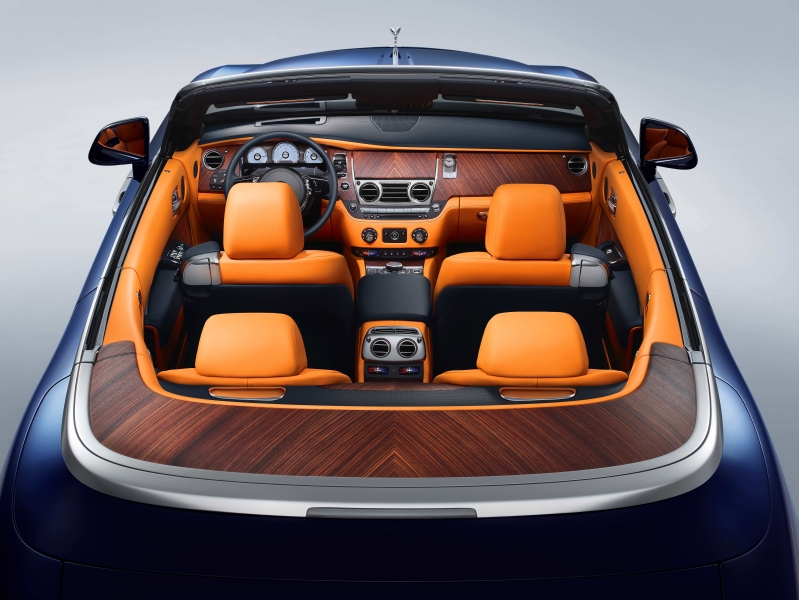
The Rolls Royce Dawn has reached Malaysia. This beast of a motor from the most prestigious of prestigious brands is 5.3 metres long and weighs a tonne.
Actually it weighs 2.56 tonnes but who cares because it still glides effortlessly and silently from 0 – 62 mph (that’s 99kph in real money) in less than five seconds and it’ll keep going to 155 mph before the limiter kicks in.
The Rolls Royce dawn – phew!
According to Rolls Royce, the car is “a couple of decibels” quieter than a Wraith, which is itself rather quiet. Inside it looks like the lounge of a gentlemen’s club with plenty of leather, wood and no doubt a crystal decanter containing a pukka single malt somewhere.
At the launch this week Michael Ong group executive director of Quill group and the MD of Rolls Royce motors Kuala Lumpur waxed lyrical about how the new generation of Rolls Royce buyers are much younger and the Dawn soft top is popular with the sub 45 segment.
He wouldn’t disclose how many Rolls Royce’ were sold to that segment in Malaysia last year or indeed how many were sold in total. However he did disclose the Dawn will cost RM4 million which at today’s exchange rate equates to about £758,000.
You won’t want to give this to the Changkat valet guys!
The car is on sale in the UK for between £250,000 – £300,000 or about RM1,320,000 – RM1,600,000. The disparity in cost creates the ultimate branding challenge. I mean who in their right mind would spend 2.5 times what a car should cost? Who in their right mind would drive such a car on Malaysia’s notorious roads?
Selling enough of these cars to justify its existence in the small Malaysian market is the ultimate branding challenge and yet perhaps it isn’t. Quill group will know exactly who to target. They will have a database of names to contact and invite for a discreet viewing and test drive. In fact they probably already have which explains Mr Ong’s quiet confidence.
They’ve probably already delivered some to those who pre ordered one in the hope that they are the first to own one in Malaysia. Quill will be having discreet parties, unique events and arranging trips to the Rolls Royce factory and to the artisan factories of those who contribute to the production of this beauty.
In many ways, it’s not only the ultimate branding challenge, it’s the ultimate testament to the power of brands. How many brands are doing this? How many brands have built relationships in the way Quill must have done to ensure it can sell a product that’s three times as expensive here than it is in the UK?
But that’s how you build a brand. Not through sales but through relationships. Are you investing in your relationships? If you are, then you could one day charge 3 times what a product is worth.
Malaysia Airlines’ latest Twitter campaign is live. It really seems as if the struggling carrier sees digital and social media as another version of mass media – as a channel for pushing a corporate message onto an unsuspecting public.
Over the last couple of years they’ve made some terrible blunders online and you can read about them here and here.
Today the attached post appeared in my Twitter feed.
why would anyone share this pointless tweet from Malaysia Airlines?
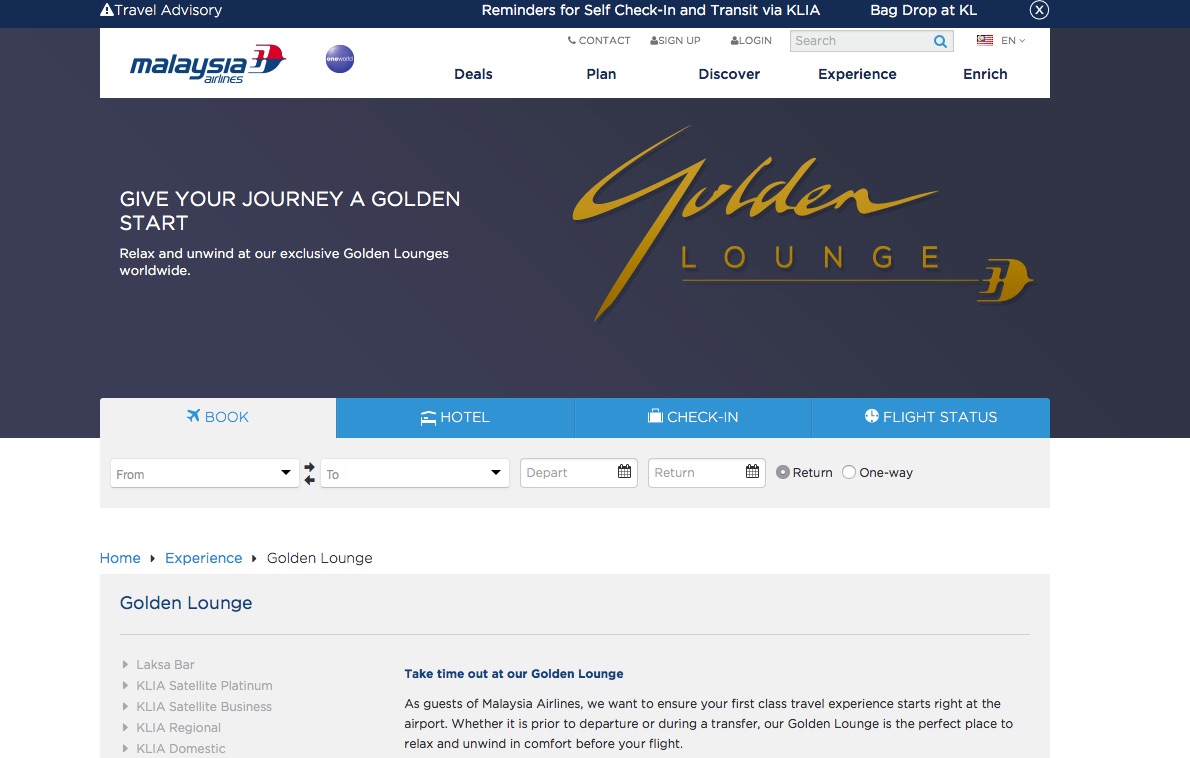
In an attempt to increase sales of business class, the marketing department seeks to make the business class offering unique by telling you that if you buy a business class seat you can have access to the business class lounge before your flight leaves!
Isn’t that stating the obvious? Doesn’t every business class passenger have access to the business class lounge? Or does Malaysia Airlines not allow business class passengers to use the business class lounge?
And if you click on the link in the tweet, you go to the golden lounge page on the website. That’s it!
That’s it? A page with standard information on the lounges?
Seriously Malaysia Airlines marketing department, is this the best you can come up with? If it is, give me a call. I promise we can do better as you stop advertising, start branding.
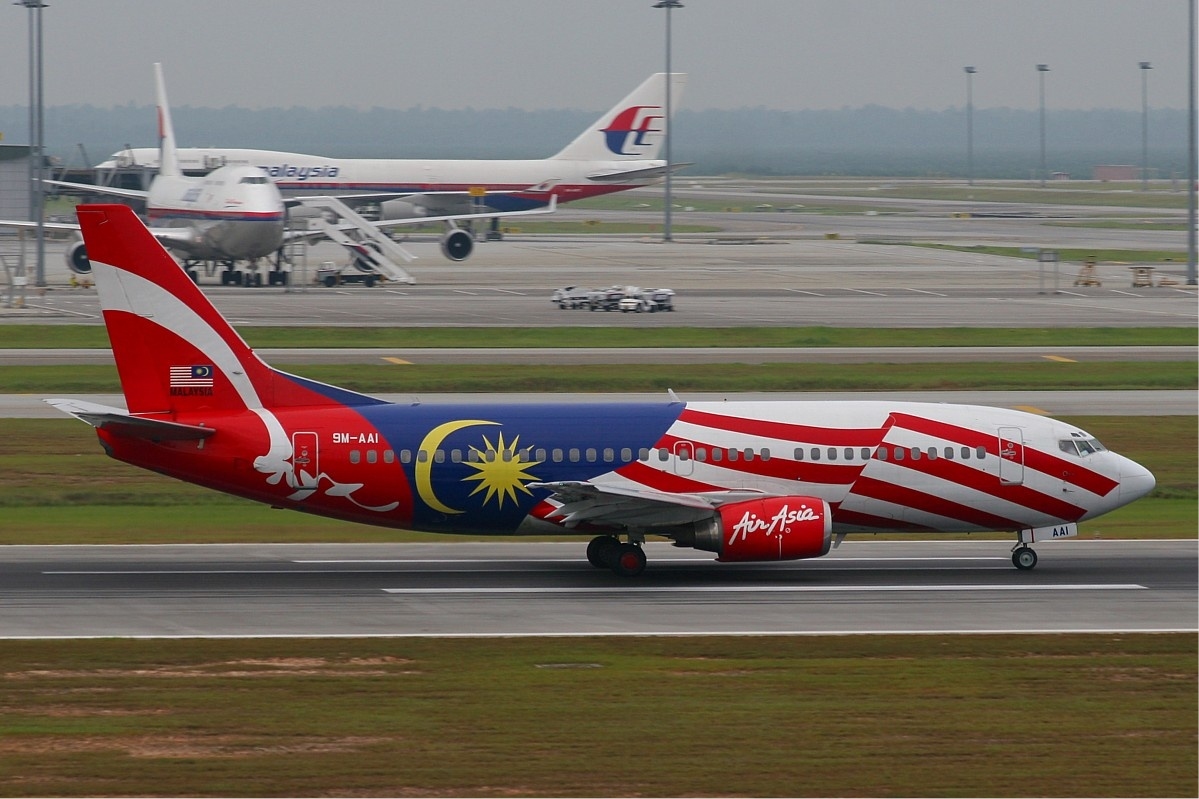
AirAsia has been involved in a long running dispute with Malaysia Airports (MAHB) over Terminal 2 at Kuala Lumpur International Airport. Basically AirAsia wants to change the name of the terminal to LCCT2. You can read more about that here.
“Aireen said the move would also send a clear message to MAHB that they should stop denying the existence of AirAsia and its contributions to the growth of the aviation industry.”
OK, first of all I’m no fan of MAHB. KLIA is a tired, depressing, soulless, outdated, poorly designed airport and MAHB doesn’t seem to be interested in the customer experience, making it better or improving the wayfinding. And I use the airport at least 50 times a year.
Nobody owes AirAsia anything
But what has ‘denying the existence of AirAsia and its contributions to the growth of the aviation industry’ got to do with not agreeing to change the name of a terminal?
Furthermore, what does Air Asia think it is doing telling MAHB it will change the name of the airport on it’s website even though MAHB doesn’t agree with the name change?
Who do they think they are that they can make such audacious moves and what is the point? Isn’t it going to make it even more confusing for Air Asia passengers? Especially those from other countries.
Are they so arrogant that if a manufacturer tells them an aircraft can only fly so fast, are they going to ignore that manufacturer because it doesn’t suit them? Talk about a baby throwing it’s toys out of the pram because it doesn’t get it’s own way!!
AirAsia may be trying to send a defiant message to MAHB but to me it portrays the airline as arrogant, out of touch, unreasonable, petulant, pedantic and stubborn. Is that the sort of culture one wants at an airline?
Can you imagine Cebu Air telling Changi that if doesn’t change the name of terminal 3 to LCCT3 it will do so on it’s website and collaterals? Or Air France changing the name of Heathrow Terminal 2 to French national carrier terminal 2?
And the irony is that changing the name to LCCT2 is wrong anyway. Firstly it’s going to cause confusion on so many levels – where is LCCT1? How do I get from LCCT2 to Klia? Is it a long way? And so on.
AirAsia has done an amazing job of bringing aviation to the masses. But no one owes it anything. It needs to remember that or it could join the more than 350 airlines that have come and gone in the last 50 years.
Back in August 2014, as part of its ill conceived attempt to move on from the twin tragedies of earlier in the year, Malaysia Airlines launched a contest called “My Ultimate Bucket List” which Time magazine said was not such a good idea because a bucket list is made up of the things one wants to see or accomplish before dying.
Following the wave of criticism, the airline quickly apologized and the campaign was withdrawn but not before social medial let rip, with one Twitter user asking, “This is a sick, sick joke right? Marketing/PR needs to be fired.”
The focus at Malaysia Airlines has been an ambitious restructuring plan led by outgoing CEO Christoph Mueller who has cut unprofitable routes or offloaded them to competitors, slashed thousands of jobs, and brought in new management.
Is this the right image for Malaysia Airlines to use in its latest campaign?
Maybe it’s me but my first thought was that the woman looked like an angel. Doesn’t her hat look like a halo? My next thought was of MH370 and the tagline although totally innocent suggested an announcement was imminent.
And if it isn’t an angel, what is she supposed to be? A butterfly? And what’s the campaign about? Is the world waiting for her? Will she ever arrive?
Whatever it is, I couldn’t help but think this was the beginning of another bucket list fiasco. Or am I over thinking it? Tell me what you think!
The irrepresible Malaysian entrepreneur, Tan Sri Tony Fernandes has another mega deal on the table, this time he’s reported to be getting ready to divest Asia Aviation Capital Ltd, his aircraft leasing company for about US$1 billion.
Despite this big deal on the cards, he hasn’t stopped having a go at Malaysia Airports Holdings Bhd (MAHB) over the last couple of weeks. Last Friday, June 10th he was reported to be ‘shocked to see water pouring out of a ceiling at the relatively new airport in Kota Kinabalu.
Please do not call an airport terminal LCCT2
And then on 13th June he berated MAHB again, this time for denying Kuala Lumpur International Airport terminal 2 was a low cost terminal and that the name didn’t mean anything.
He was quoted as saying, “To me, klia2 doesn’t mean anything. LCCT2, on the other hand, is synonymous with low-cost. It’s a brand we built up together with Malaysia Airports Holdings Bhd and it shouldn’t go to waste.”
I’m not sure why any brand would be pleased their product was synonymous with low cost. AirAsia might be called a Low Cost Carrier but everyone knows it isn’t. In fact there are times when it is the most expensive of the 3 main carriers in Malaysia. Certainly on some domestic routes.
He went on to say, “As we grow towards becoming the Dubai of Asia, we want the world to know that the best value fares are here in Malaysia.” Hang on a minute, what are we selling here? If we name an airport terminal LCCT2, how will the world know that the best value fares are here in Malaysia?
Social Media wasn’t impressed either. One wag was rumoured to have posted on Facebook “Low-Cost Carrier Terminal 2 (LCCT2)? “I spent 6 months training to do the walk to Everest base camp once but my elderly mother and I weren’t prepared for the long trek through empty airport halls and past retail outlets, in the long pre-journey, journey from check-in to our boarding gates!”
Another in keeping with the Himalayan theme, is reported to have said, “I was flying to Bangkok and on my way to the departure lounge I passed Sherpa Tensing coming the other way. He looked exhausted but still managed to tell me he had given up before he got to the gate.” Apparently it was just too far.
But joking aside, why would you want to call an airport terminal ‘Low-Cost Carrier Terminal 2 (LCCT2)?’ I mean for a start it isn’t Low Cost Carrier Terminal 2. It’s LCCT1 because there currently isn’t an LCCT1. I think anyone reading that would think it was the name of an airline and that the airline had sponsored the terminal.
Why can’t we do what everyone else does and have the airport name followed by the terminal number?
No airline aspires to be cheap and no terminal aspires to be low cost. But more importantly, what is a non English speaking mainland Chinese person, Korean investor or Australian traveller to make of that moniker?
Is it going to help them navigate through the maze and warrens of Kuala Lumpur’s terminal 2? Of course it isn’t. Is it going to help make an already stressful experience even more stressful? I’d bet the farm on it.
Bearing in mind the airport has been known for a long time as KLIA, now that they’ve built a second terminal at the same airport, wouldn’t it make more sense to name the terminal ‘Kuala Lumpur International Airport Terminal 2’ or KLIAT2? I do appreciate this would require Klia1 to be renamed but that’s a necesity as well because what does Klia1 mean? Is it referring to the terminal? It’s position or what?
Klia 2 doesn’t really mean anything so we need to change it
KLIA should be like every other airport in the world that is designed with the passenger in mind. Think Heathrow Terminal 1, 2, 3, 4 and 5, Dubai Terminal 1, 2 and 3 or Singapore Changi terminal 1, 2, 3 and 4.
Surely that makes it easier for everyone concerned? Calling it LCCT2 really is a terrible idea.
Here’s a link to an interesting article in the fast company owned site fastcodesign.com magazine, an online design driven website that is “inspiring stories about innovation and business, seen through the lens of design.” They recently ran a story cleverly titled The Future of Branding is Debranding.
I’m an occassional visitor to the site and particularly like their infographic of the day. Have a look at this one that depicts climate change as a haunting death spiral.
The article starts well enough with the fact that digital media is blunting the effects of advertising but then goes on to say that native advertising or branded content is a sham and nothing more than an attempt to trick customers into spending money. While getting customers to spend money is the aim of most advertising (as is quality design) it misses the point of what is branding.
The future of branding is debranding? Well maybe, but not if we’re starting from the wrong place
The article does make some valid points about branded content and how it is not a strategic exercise or a long game. And this is true, it’s simply a tactic employed by brands. But it loses it’s way as it confuses tactics with strategy. Branding is a strategic exercise, most branded content is a tactic although some firms such as Coca Cola do it properly (see video below) and integrate it across channels and make it strategic.
The post then goes on to make the bold but ultimately wrong statement that, “Branding is, fundamentally, just a form of communication.” This is simply not true and I’m surprised such an auspicious publication allows such a claim to be made.
Indeed, it’s claims like this, from prestigious sources that are muddying the branding waters. How can CEOs make the investments required in branding if they are confused by what constitutes branding in the first place?
To make matters worse, it then goes on to say that debranding shouldn’t be confused with visual branding! Using a couple of niche brands as examples it says, “Such visual identities could be the result of debranding, but they are not the end goal. The real goal is a well-made product.”
I don’t understand the visual bit, but a well a well made product is definately a goal and any brand should start with something that is fit for purpose because no amount of communications will make a crap product good and certainly won’t build a brand.
But what’s really important is that the brand delivers economic, experiential and emotional value every time, and at every touchpoint and with everyone.
The mistake too many brands make when they start branding (or the advice they are given is wrong) is that they think branding is based on acquisition – it isn’t and they think that stringing together a series of tactical campaigns will build a brand – it won’t.
Products or services need to be sold. Companies need to make those sales but the ability to start delivering value at the first and subsequent touch points is going to lay the foundations for the success, or not of that brand’s relationship with the prospect/customer. And that relationship is what builds the brand.
Advertising, branded content, design etc may be required at some point (although increasingly consumers are not influenced by such superficialities and look for more personalisation and relevance) but critical is the ability of the brand to deliver the value I keep mentioning.
The article finishes with the statement, “Don’t throw a new product on the market if it’s not intrinsically better and more durable than what already exists. We don’t need more branding; we need fewer, better-quality products. Fine-tune your product’s quality, design, and its durability. Become a producer of shoes again instead of surrogate spirituality”
Whilst Chinese products may have had short term success because they were cheap, most consumers are moving back to quality products from more established manufacturers who have invested in tools to improve their efficiencies, making consumers the winners as products are better.
So we’re definately moving away from ‘cheap as chips’ junk. But at the same time, with a growing global population with more disposable income, there will always be demand for commodities but again they shouldn’t be confused with brands.
And besides, despite the advertising, the branded content and all the other tactics used to try and entice you, you don’t need to change what you are already happy with.
And bearing in mind that 80% of what most of us buy are the same things, one could argue that a lot of brands are already doing the right thing.
A friend sent me a great link to a Mark Ritson rant in marketingweek yesterday. Mark Ritson is something of a God for many in the marketing business and sells himself really well. And so he should as he’s won more medals than Michael Phelps.
In the rant which you can read here, he recalled a recent evening in London where a friend told him how he had been ripped off by a brand consultant. Ritson doesn’t share how the friend was ripped off but goes on to outline a seven point system for identifying ‘shit’ brand consultants so you can avoid them like the plague.
Mark Ritson – more gongs than just about everyone
The list goes something like this:
1) If the consultant mentions millennials, run a mile.
2) If the consultant offers advice without qualitative or quantitative research to back up his recommendations, run a mile.
3) The more concepts the brand consultant tries to sell you, the more ‘crapper’ he is.
4) If the brand consultant uses trigger words, he is unworthy. An example of a trigger word is Innovation. According to Ritson innovation ‘is a product orientated word and worthless as a result.’
5) Any brand consultant that mentions Maslow’s Hierarchy of Needs should be shown the door – after you’ve thrown something heavy at him.
6) Likewise, if the brand consultant shows you a picture of a cow being branded.
7) And again, if they tell you reputations take decades to build.
8) If the brand consultant has a trademark attached to their special branding methodology or they use an acronym like ‘RESULTZ’ or ‘PERFORM’ then walk out of the room, but before you do write WANK on the nearest whiteboard.
9) If your brand consultant waxes lyrical about Steve Jobs and Apple and insists that what he did is relevant to your business, head for the door.
OK that’s a 9 point list but I’m only the messenger. So what do people think of his rant and list? Judging by the comments section, most of his fans agree with him. However, John Robbins of newzpoint blames ‘shit’ brand managers rather than shit brand consultants, “Although I can’t help but think the main reason there are so many shit brand consultants is because there are so many shit brand managers and the fact that you have to prepare a guide for brand managers because they generally can’t tell the difference between good and bad consultants is recognition of this.”
Robbins continues, “Try talking in realistic terms to a shit client (there are tons of them, easy to find) and most of the time their eyes glaze over because they find common sense rather tedious and prefer to listen to inflated bullshit as it excites them more. The emperors cloths continue to be sold and resold every day and no doubt will for sometime. As the old adage goes – brand managers get the brand consultants they deserve.” Powerful stuff from Mr Robbins.
Another comment from Claire who focused on the reference to the millennial segment, “I am apparently a millennial and I’m married with a kid. My brother and sister in law are technically also millennials and living it up with no mortgage in London. The idea that we are both basically the same segment for targeting is ludicrous.”
So what do I think of it? Well I think Mr Ritson is spot on really. I mean the concept of doing anything and making any recommendations without doing research is borderline criminal in my book. But the research must be focused on identifying value requirements of target markets and not be determined by age or decade of birth.
Who needs logic when you can pay for inflated bullshit?
I mean, in an era when social media allows you to find like minded souls in groups on Facebook and other platforms, the concept of a ‘segment’ like 18 – 24 year olds or people born in a certain year or decade is rather naive.
Every customer is a segment now and they must be engaged with content that resonates with them. And that doesn’t have to be done through marketing. Indeed, it’s hard to do so, but it can be done when the prospect is researching the product or at the point of sale, after a connection or after a sale. If any segmentation is required, it should be separating prospects from existing customers.
Or as John Robbins said, the problem is often the client. If a client wants a brand consultant to go straight to implementation without doing any research, what is he supposed to do?
Should he walk away? Undoubtedly and many brand consultants probably do but if the economy were tanking and the pipeline was bare, who can blame them for taking the plunge? After all, the client will spend their money somewhere.
And besides, once on board the brand consultant can always try to convince the client to do the proper research.
Proofreading business communications should be considered one of the most important aspects of any brand tactics. It’s one of the thousands of pieces that make up the branding jigsaw. Get it right, and the picture is perfect, get it wrong, even one little bit and it can do the complete opposite of what you set out to do.
Suddenly, a simple error that would have been laughed off as ‘a pretty good effort and besides, everyone makes mistakes’ becomes ‘if they can’t get that right, what else are they getting wrong?’
Before you know it, an irrelevant ad that would have gone unnoticed becomes the centre of attention. A simple spelling, grammatical or punctuation error becomes symptomatic of the organisational culture as a whole.
Your credibility is questioned and what began as an attempt to make some sales or improve the reputation of the organisation can end up undermining all your good intentions and put your brand back months, possibly years.
This Malaysia Airlines Twitter ad is nonsense
Malaysia Airlines is one brand that is desperately trying to shed the negative perceptions that have surrounded it since the post MH370 Public Relations disaster and subsequent sales slump. The Chairman of the company says he doesn’t need to rebrand the carrier yet he wants to repair the brand’s reputation. The two are intricately linked.
This ad appeared on my Twitter page recently. It’s poorly written, doesn’t make sense, has grammatical errors and looks more like a pharmaceutical ad than an attempt to rebuild a broken national carrier.
Mistakes and imperfections in any kind of work convey a lack of interest, expertise and carelessness, and in the aviation business, those are not attributes you want associated with your brand.
So in a fit of professional generosity, I’m giving 5 tips on how to proof read to the Malaysia Airlines communications department. Guys, next time you create your own copy, read this first.
Tip 1
Once you create an ad or other written content, walk away from it and ignore it for 15 minutes. Then go back to it and read it twice, out loud. If it doesn’t flow or sound right to you it won’t sound right to your readers. Once you’ve read it twice, give it to someone else to read out loud twice and then you read it again, twice.
Tip 2
Assuming you are happy with the flow, go through it again and check the spelling. Then give it to someone else to check the spelling and when they give it back to you, read it again, twice.
If English isn’t your 1st language and you are creating ads in English, spend the money on a proof reader or this could happen to you
Tip 3
Next read it and check for grammatical mistakes. Then go through it again. Then give it to someone else to check the grammar and when they give it back to you, check it again, twice.
Tip 4
Don’t be lazy and rely on spell checking tools. They are flawed. Every good copywriter has a well worn Oxford dictionary to refer to. Get one and use it.
Tip 5
Social media and text messaging are changing the way we communicate. But an ad or other copy is an extention of you and your brand. Bad punctuation and grammar or no punctuation can be interpreted negatively. If you don’t know how to construct a sentence, use a pronoun or whether to use parallelism or not, find someone who does.
You may think that it’s just a social media ad. That no one is watching and that no one cares. They are, and they do. Proofread everything. Because every time you interact with a passenger, every time you release communications or react to a crisis, people are witnessing your brand, your culture. If it isn’t sincere, professional and suggests a lack of interest, everything you do will fail and your brand will end up in the branding graveyard.
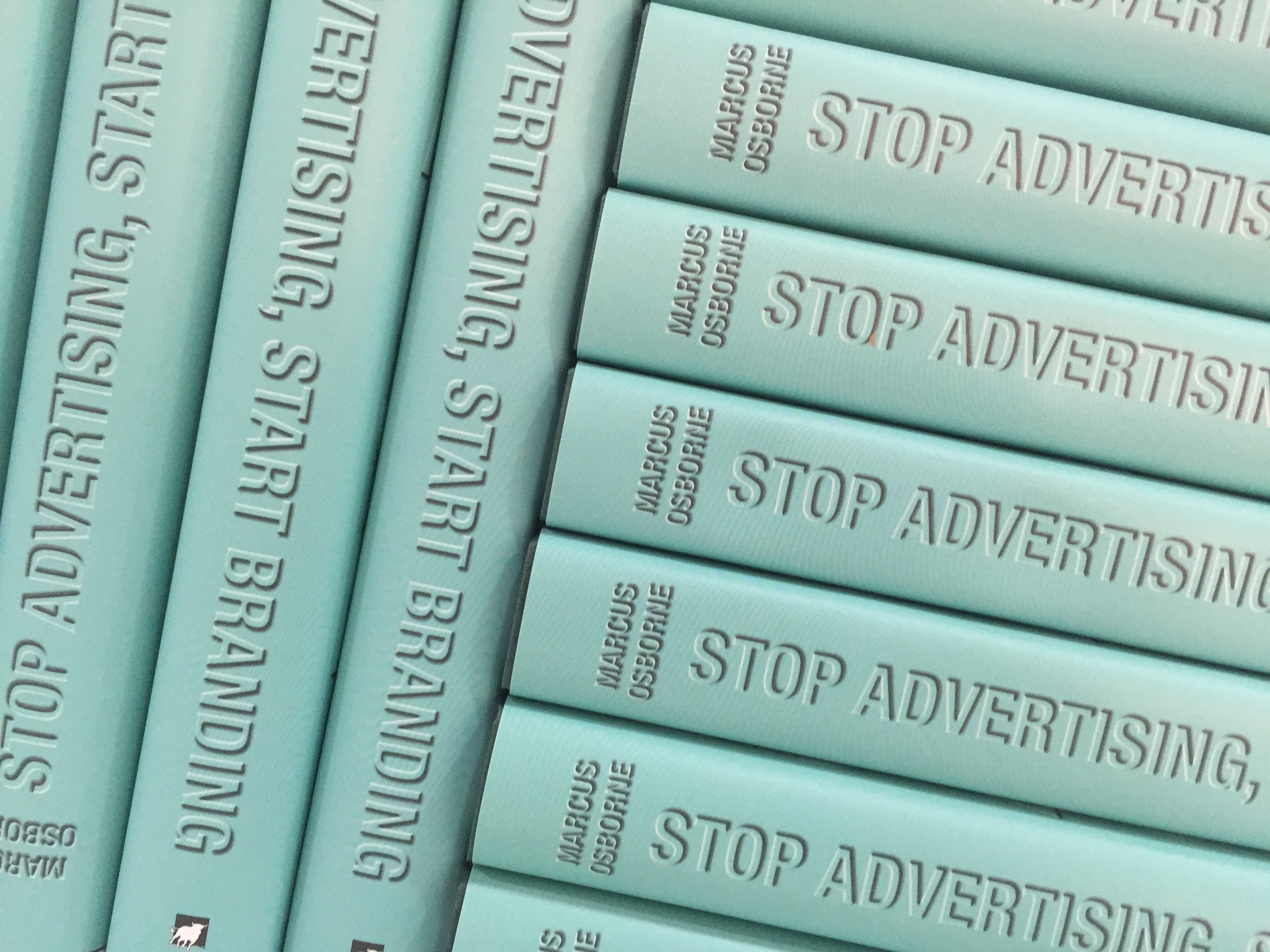
Stop Advertising, Start Branding is the controversial new book by Malaysia based brand consultant Marcus Osborne. It’s already attracted flattering reviews with one reviewer calling it “South East Asia’s business book of the year.”
Marcus Osborne says, “If you are spending more on advertising yet struggling for sales, it could be because you are still using the advertising driven tactics of the mass economy when competition was limited, there were few TV and radio channels, magazines and billboards and visiting the cinema was not the positive experience it is today.
Stop Advertising Start Branding. Asia’s business book of the year
He continues, “Today’s consumers are overwhelmed with data, information and choices. Malaysian households receive 200 TV channels, 24 hours a day. Singapore, with a population of no more than 5 million has 252 Free to Air or Pay-TV channels.
The advertising noise in Singapore is deafening whilst back in Malaysia there are more than 20 commercial radio stations broadcasting up to 20 minutes of commercials every hour, ads are on lampposts, shop lots, taxis and buses and billboards jostle for attention at every junction. Newspapers often have an ad to copy ratio of 60%-40% compared to the accepted norm of 30%-70%.”
“Such a barrage of messages does not include the more than 40 billion web pages and 20 million blogs on the Internet, Facebook, Instagram, Twitter and other social media and games. How can a consumer’s mind process so much data? Obviously it can’t. In fact it shuts much of it out which accounts for falling sales despite increased ad spend.”
Stop Advertising, Start Branding explains how to build a brand in this new environment. It’s about getting the fundamentals in place. Assuming your product or service is fit for purpose (and a lot are not) you start the brand building process by making sure your organization has clearly defined brand values that are real and achievable and can be articulated clearly to personnel and those personnel must be shown how to integrate those values into their every day operations.
Consumers in Malaysia are being ambushed by firms trying to get their attention.
Those personnel must know what is required of them to ensure the brand is able to deliver on any promises made time and time again, to different segments, all with different requirements for value and at every touch point. For many companies, this requires a 180 degree change in management style and can be difficult, especially for companies who look at staff as a cost not an investment.
Once the organisation is ready the implementation really depends on the industry. But new content must be constantly created and new tools and channels used properly. Millions of Singaporeans, Malaysians and others use Facebook but most brands simply advertise on Facebook or post images of the CEO at events and often ignore messages asking for help or information. This is rarely the right approach because Facebook requires firms to engage consumers with compelling content that will build interest.
Old school tactics such as advertising, roadshows and promotions still have a role to play but often, much of the advertising doesn’t make sense whilst many of the people representing firms at roadshows or promotions aren’t trained properly and simply go through the motions.
Stop Advertising, Start Branding explains that all the awareness in the world doesn’t mean a thing unless it translates into a profitable relationship. With plenty of local and international case studies the book shows that companies that focus strongly on building robust foundations for their brands, provide compelling content and develop relationships with customers based on delivering value to those customers, are more likely to succeed than brands who rely on advertising.
It isn’t as exciting or as `cool’ as TV commercials or huge billboards on major highways that 500,000 people see each day, but it’ll be more profitable.
About Marcus Osborne. He has lived and worked in Malaysia since 1994. He has helped build brands in Europe, the Middle East and South East Asia. His blog brandconsultantasia.com is the leading branding blog in Malaysia. Stop Advertising, Start Branding is his first book. It is available from all good bookshops in SE Asia and the UK or from Amazon.co.uk
He has written numerous articles for multiple publications and contributed a case study on the Malaysia Nation Brand to Nation Branding. Concepts. Issues. Practice. By Keith Dinnie. Contact him at marcus at fusionbrand dot com or +6 03 7954 2075.








 brandconsultantasia.com